
Mosaic tile is one of the oldest surface finishes still in daily use, and it also happens to suit modern homes. If you are new to it, the term can feel vague, so this guide explains what mosaic tile is, where it came from, how it is built, and where it tends to work well. By the end you should have a clear picture before you spec or buy.
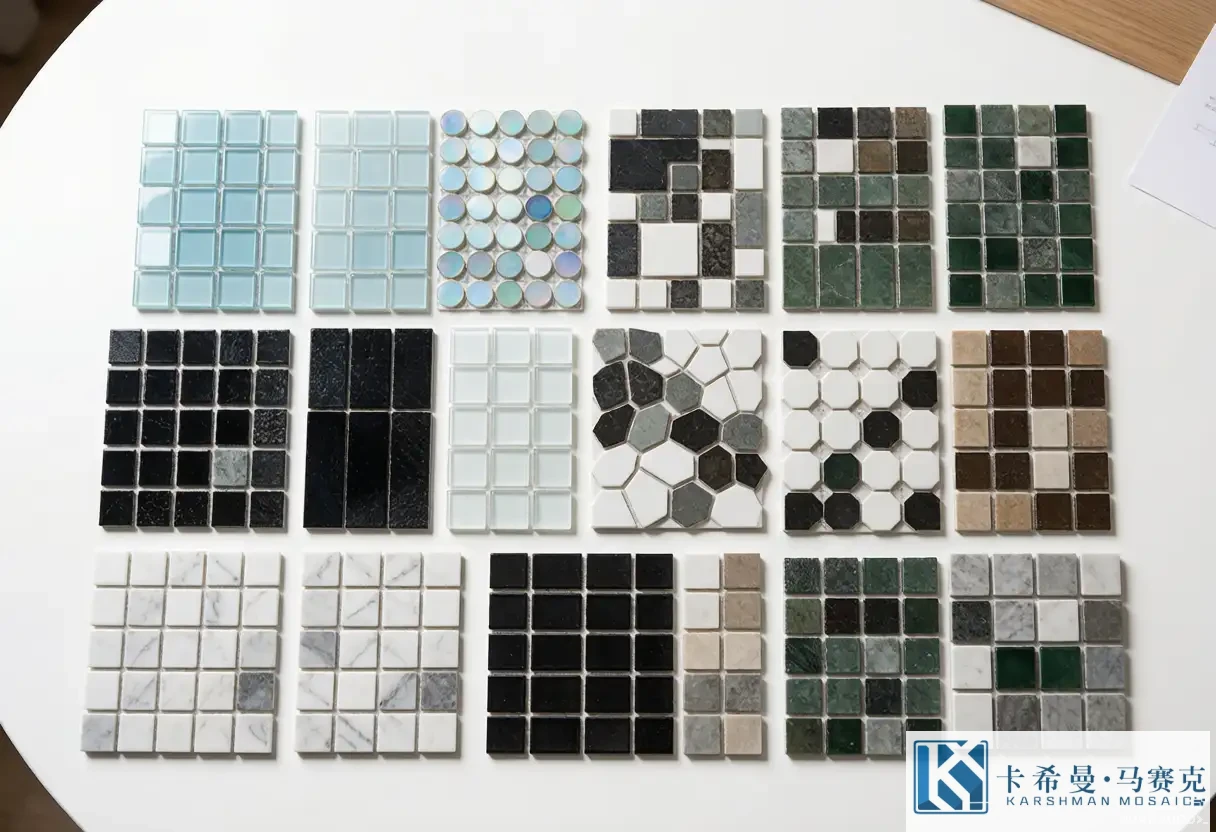
What mosaic tile is
At its core, mosaic is a surface made from many small pieces rather than a few large ones. The small pieces are called tesserae, and they sit on a backing sheet so an installer can handle a whole panel at once. Because the units are small, the finished surface can follow curves, slopes and corners that a large tile would fight. That simple idea is why mosaic appears everywhere from ancient walls to a contemporary shower.
A short history
Mosaic dates back thousands of years, with early examples using stone and shell set into floors and walls. Later cultures refined the craft with cut stone and glass, building detailed pictures in public buildings and homes. The technique spread because it was durable and because small pieces could render fine detail. Today the look is reproduced with manufactured glass, porcelain and ceramic, which keeps the character while lowering cost and speeding install.
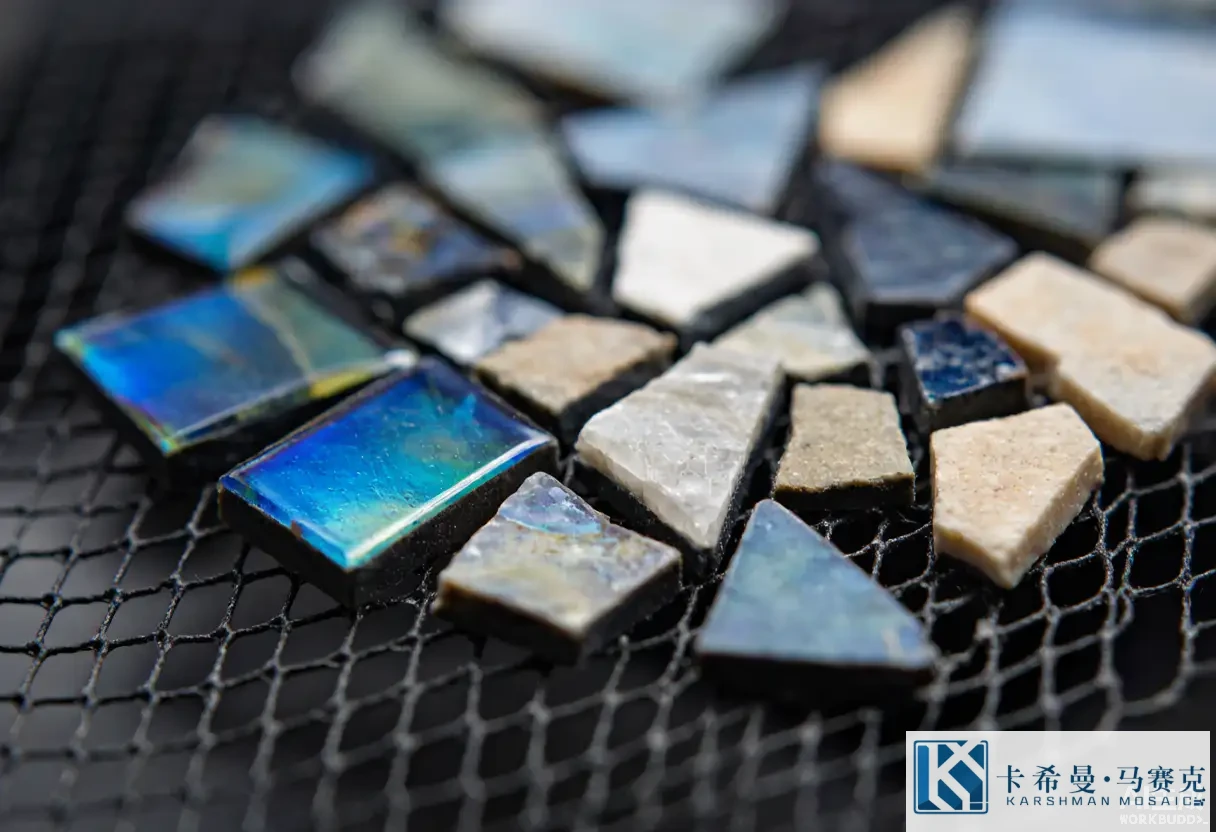
How a mosaic sheet is built
Modern mosaic is produced by cutting or casting material into tesserae, then mounting them on a mesh or paper backing in a grid. Mesh backing lets adhesive reach the wall through the gaps, while paper backing faces the front and is removed after setting. The sheet size and the tile pitch decide the final grid, and a consistent pitch keeps grout lines even. Understanding the backing helps you choose the right adhesive and method for the wall or floor.
Common materials at a glance
Mosaic comes in several materials, each with a different feel. Glass gives a bright, reflective face and shows color with depth. Porcelain and ceramic read warmer and suit heavy-wear areas. Natural stone brings a tactile, earthy surface but needs sealing. Metal and mixed sheets add accent without covering a whole wall. A short material list like this helps narrow choices before you reach the showroom.
Where mosaic works well
Mosaic suits places where shape and detail matter. Kitchens use it for backsplashes, bathrooms for showers and niches, and pools for waterlines and floors. Feature walls and entries use it for a focal point, while outdoor steps and patios use slip-rated lines for safety. In each case the small format solves a shape problem or delivers a look that larger tile cannot.
Why people choose it
Beyond looks, mosaic earns its place through practical points. The many joints add grip on a wet floor, the small pieces follow an uneven substrate, and a little material covers a feature area with strong effect. For a renovator, a single backsplash or niche refreshes a room without a full remodel. For a designer, the range of materials supports both calm and bold schemes.
Care basics
Care is straightforward. Wipe splashes soon after they happen, use a non-abrasive cloth on glass, and keep the grout sealed on the maker’s schedule. Choosing a grout rated for the room and sealing it after curing resists staining and makes cleaning easier. Because mosaic areas are usually small, this upkeep takes little time, which is part of why the finish stays presentable for years.
Before you spec or buy
Before committing, decide where the tile goes, pick a material rated for that use, and approve a sample under your own light. Note the sheet size, the backing type and the grout color, and confirm them with your installer. A short checklist at this stage prevents the mismatch and delay that come from deciding mid-build, and it keeps the project on its planned date.
Mosaic is a small-format finish with a long history and a wide range of uses. If you want sample boards or help matching a material to your project, contact our team for current ranges and lead times.