
Sourcing mosaic tile at volume is different from buying a few sheets at retail. The choices that protect margin are made before the container leaves the factory, not after a problem shows on site. This guide walks the steps that an importer or contractor should treat as standard.
Define the spec first
Start by writing the spec: material, tile size, sheet size, finish, slip and frost rating, color, and the quantity with a waste allowance. A clear spec keeps quotes comparable and stops a supplier from substituting a cheaper match. It also tells the factory exactly what to produce, which reduces the chance of a run that misses the brief. Buyers who skip this step tend to compare prices on different products, which hides the real cost.
Find and verify suppliers
Suppliers are found through trade shows, sourcing platforms and referrals. The step that matters is verification: a factory tour, a video walk-through, or a third-party audit confirms the line exists and runs as described. Ask for references from buyers in your market and check how the factory handles repeat orders. A short list of verified suppliers is worth more than a long list of unknown names, because consistency beats a one-time low price.

Samples and sign-off
Request physical samples and approve them against your spec before committing volume. Color can shift between batches, so keep the approved sample as the reference for the production run. For custom work, approve the artwork and a printed or laid sample, not just a screen image. This sign-off is the cheapest point to change your mind, and it protects both sides if a dispute arises later.
Commercial terms
Negotiate the practical terms: minimum order quantity, lead time, Incoterms, and payment schedule. A low unit price with a long lead time can cost more than a higher price that ships on time, especially when a project is waiting. Clarify who handles freight, insurance and clearance, and put the agreed terms in writing. Clear terms reduce the friction that builds when a shipment is delayed or a document is missing.
Quality control at source
Build inspection into the order. A pre-shipment check using an acceptable-quality-limit standard confirms the bulk matches the approved sample for color, size and packing. For custom or high-value runs, attend or commission the inspection rather than relying on the factory’s own report. Catching a mismatch at the factory is far cheaper than returning goods from across an ocean, and it keeps your delivery promise to the end customer.
Logistics and documents
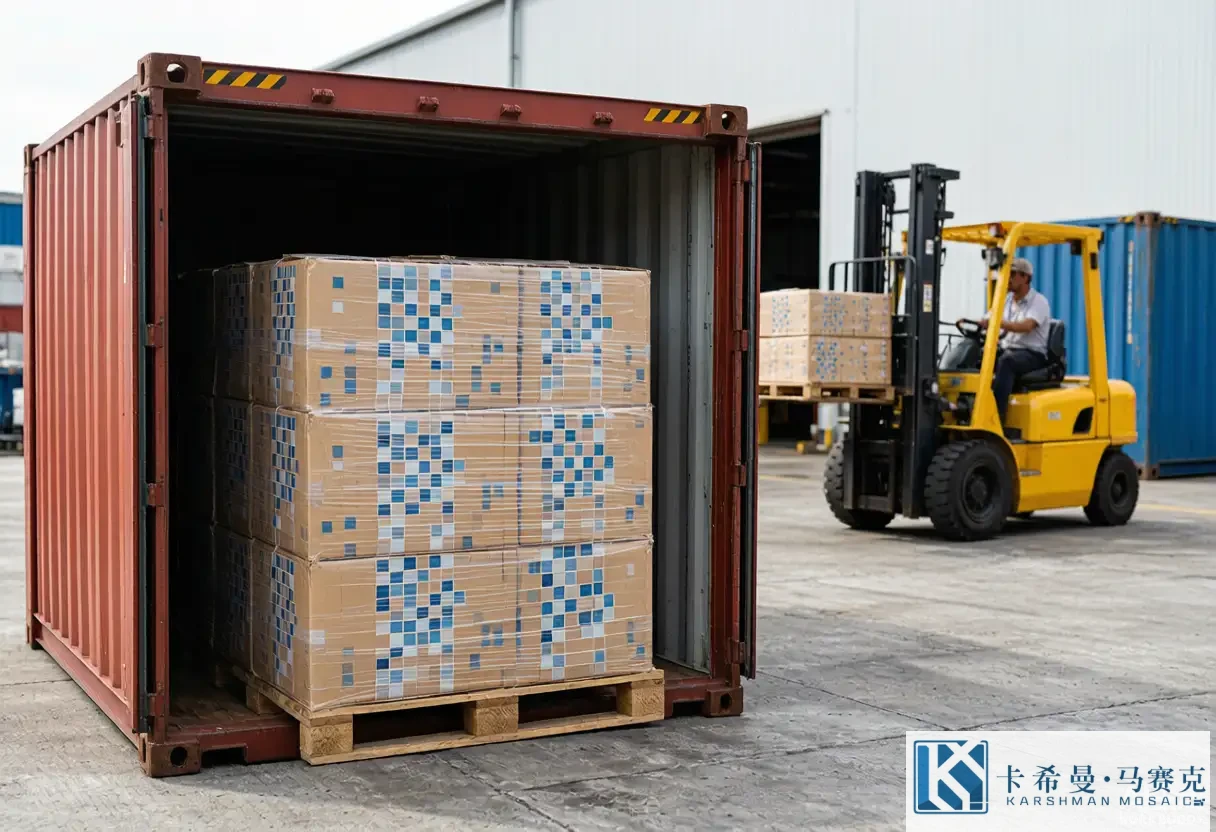
Confirm carton labeling, palletization and the documents the destination requires. Clear product descriptions, correct harmonized codes and complete paperwork keep a shipment moving through customs. Agree how the goods are palletized so they survive transit and fit the receiving dock. Small errors in labeling or documents cause delays that cost more than the saving that prompted them.
Receiving and claims
On arrival, check quantities and condition against the packing list and note any damage with the carrier present. Good records make a claim straightforward and quick. Keep the approved sample and the inspection report so any disagreement is settled by reference, not memory. A calm, documented process protects the relationship with both the supplier and the customer.
Common pitfalls to avoid
A few mistakes recur. Color drift between batches happens when the sample and the run are not matched to a reference. Under-specifying ratings leads to tile that fails in a pool or a freeze zone. Skipping documentation slows customs and weakens any claim. Treating the sample as the contract – and holding the factory to it – settles many of these problems before they reach the site.
Sample logistics and freight planning
Samples are cheap; a wrong container is not. Plan the sample loop early so approval lands before the production window, and confirm the carton size and pallet height suit your warehouse and the destination dock. Where freight is tight, booking space ahead of the build keeps the shipment on the vessel you expect. A little planning on the sample and the pallet prevents the late surprises that push a project past its date.
Building a repeat-order cycle
Once a product sells, turn it into a cycle rather than a one-off. Keep the approved sample, agree a steady minimum with the factory, and reorder against a forecast so color stays matched across seasons. A repeat cycle also lets the supplier hold material and shorten lead time, which helps you promise dates to customers. The buyers who do well at volume tend to manage the relationship, not just the price.
Volume sourcing rewards clear specs, verified suppliers and checks at the factory. If you want to discuss a shipment or request samples, contact our team for current lead times and minimum quantities.