
A kitchen backsplash is a small surface with a large visual job. It sits between the counter and the cabinets, catches splashes, and frames the cooking area, so the material has to look right and cope with daily cleaning. Mosaic works well here because the small tiles suit curves, outlets and the corners around a cooktop. This guide covers how to plan a kitchen backsplash mosaic that fits your space and your routine.
Why choose mosaic for a backsplash
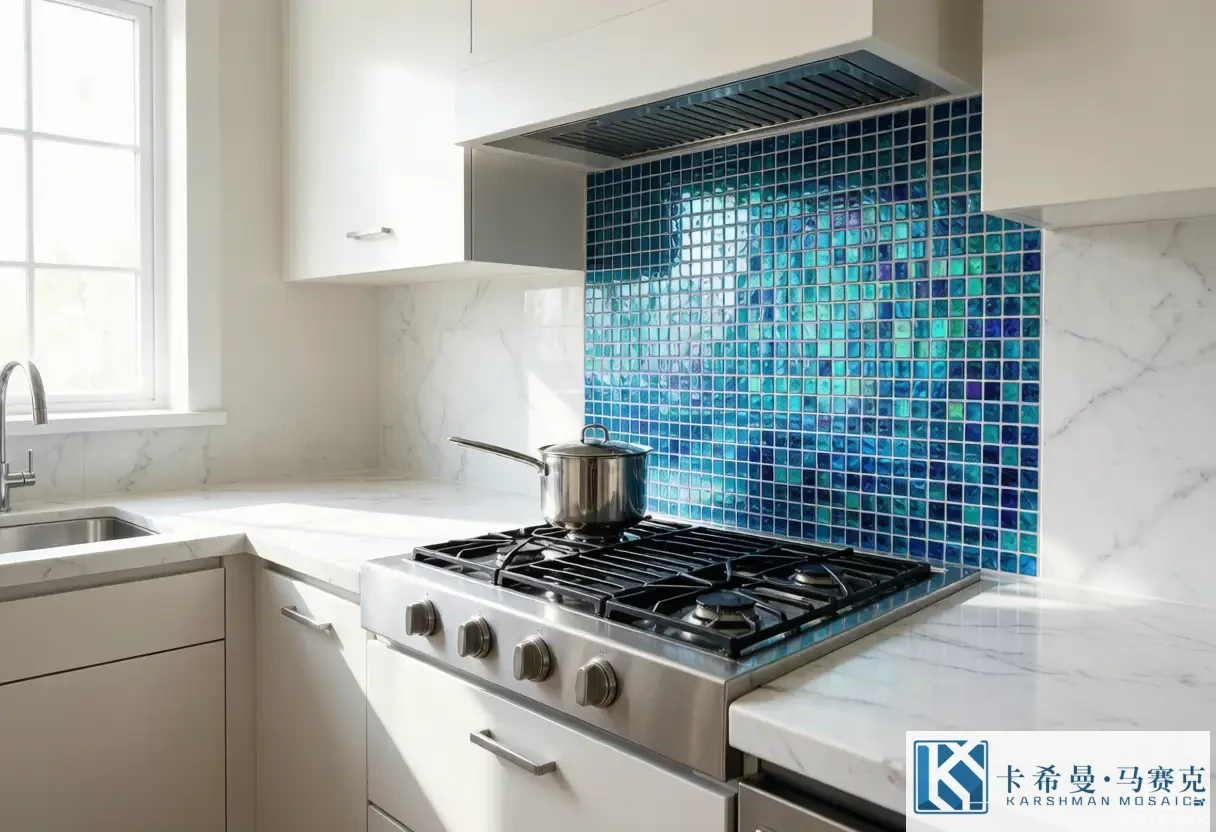
Mosaic backsplashes offer detail that larger tiles cannot match. The small format follows an uneven wall, wraps a curved peninsula and frames a window without awkward cuts. Glass gives a bright, reflective face that lifts a compact kitchen, while porcelain and ceramic read as softer and warmer. For a busy household, the practical point is that a sealed, properly grouted backsplash wipes clean after cooking, which keeps maintenance straightforward.
Glass, porcelain or a mix
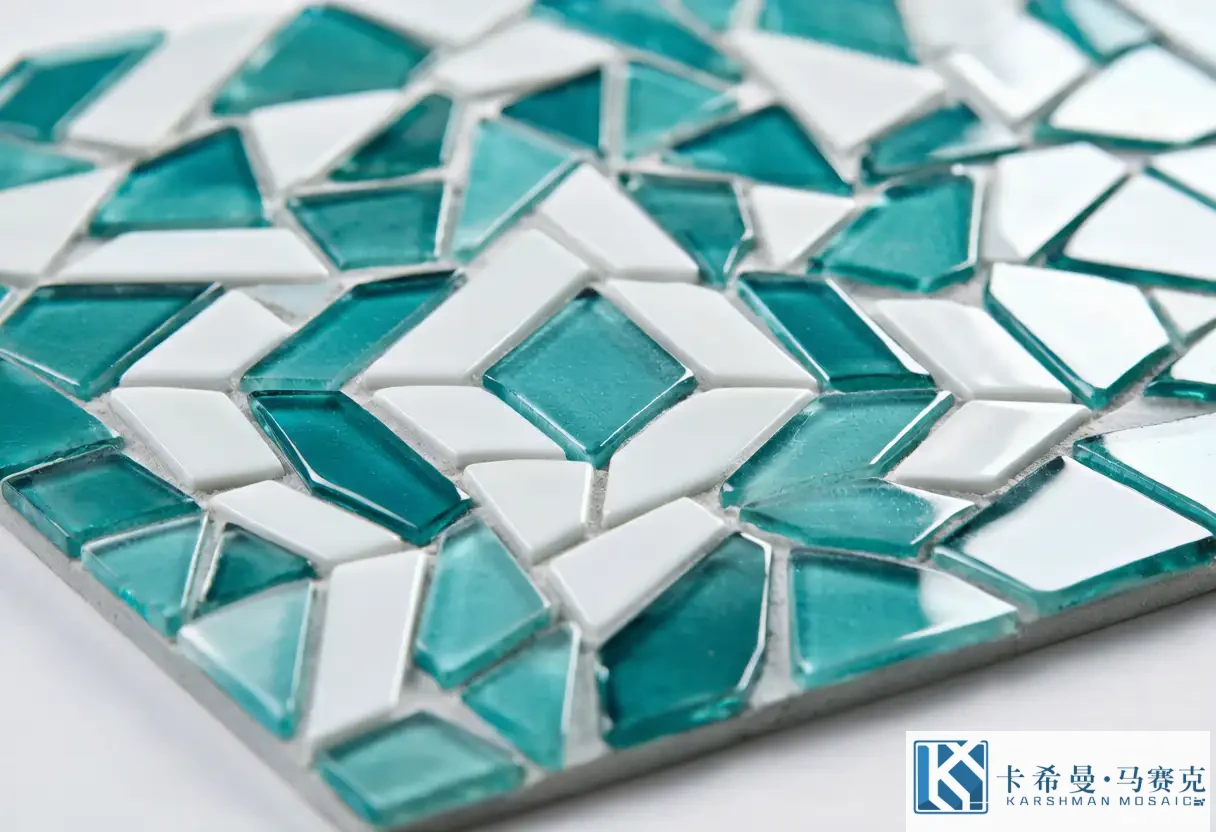
Glass mosaic is a common pick for backsplashes because it reflects light and shows color with depth. It suits a neutral kitchen that needs a focal point, and it pairs with stainless and stone. Porcelain mosaic is denser and a sound choice behind a heavy-duty range where heat and grease are concerns. A mixed sheet that combines glass with a porcelain or stone field gives two finishes from one product, which helps a designer get contrast without sourcing separate lines.
Color and pattern
Color choice sets the mood. White and pale grey read as calm and make a small kitchen feel open; a soft blue or green adds character without dominating. For a bolder look, a single band of colored mosaic above the counter acts as a stripe rather than a full wall of pattern. Patterns range from a simple brick layout to a diagonal or a blended ombre; the layout should match the cabinet style, with straight lines suiting modern flat fronts and a gentle diagonal softening a traditional room.
Scale and sheet size
Mosaic comes on mesh or paper sheets, and sheet size affects both look and install speed. Smaller tesserae give a finer, more detailed surface but need more grout lines, while larger pieces read cleaner and install faster. A practical approach is to match the scale to the area: a wide, open splash can carry larger pieces, while a narrow strip behind a sink suits finer tile. Checking a sheet flat on the counter before buying shows how the spacing will read once grouted.
Grout and edges
Grout color changes the result as much as the tile. A grout close to the tile color hides the grid and gives a smooth field; a contrasting grout emphasizes each piece for a handmade look. In a kitchen, a grout rated for the area and sealed after curing resists staining from oil and sauce. Edge trim at the top and where the splash meets the cabinet keeps the edge neat and protects the sheet from chipping, which is worth specifying when the wall finish is uneven.
Lighting and reflection
Lighting shapes how a glass backsplash reads through the day. Under-cabinet strips wash the surface and reduce shadows on the worktop, while a warm bulb brings out amber and gold tones in iridescent glass. If the splash faces a window, the natural light will shift the color, so viewing a sample at the time of day you cook helps avoid a surprise. Planning the light with the tile keeps the finish consistent rather than flat.
Behind the cooktop
The area around a range takes the hardest wear, so material choice matters there. A non-porous glass or a dense porcelain stands up to heat and splatter better than an unsealed natural stone, and a smooth face wipes faster. Leaving a clear, easy-clean band directly behind the burners, then a decorative field beside it, balances looks with practical care. Sealing the grout in this zone protects it from repeated wiping and grease.
Care and cleaning
A mosaic backsplash stays good with simple habits. Wipe splashes soon after cooking so they do not set into the grout, use a non-abrasive cloth, and avoid harsh powders that dull glass. A periodic reseal of the grout, on the schedule the product recommends, keeps it resistant to staining. Because the surface is small, this care takes minutes, which is part of why backsplashes are a low-effort way to refresh a kitchen.
Planning steps before you order
Before ordering, measure the area and note outlets, switches and the range cut-out so the supplier can plan sheets and trims. Pick a material rated for a kitchen, choose grout color, and approve a sample under your lighting. Confirm sheet size and the backing type with your installer so the adhesive and method suit the wall. A short checklist at this stage prevents the delays that come from a missing trim or a mismatch on site.
A backsplash is where a kitchen shows its character without a full remodel. If you want sample boards or help matching a mosaic to your cabinets, contact our team for current ranges and lead times.