
Ceramic mosaic has long been a natural fit for kitchens and bathrooms, and the reason is practical as well as visual. The small clay-based pieces resist water when grouted, clean easily, and follow the curves of a shower or the line of a backsplash. This guide covers where to place ceramic mosaic in a kitchen and bath, how to choose finish and slip rating, and how to keep it looking good with little effort.
Why ceramic suits these rooms
Kitchens and bathrooms are wet, busy spaces, and ceramic mosaic answers both demands. The body is stable once fired, and a glazed face seals against stains from food and soap. The many grout joints add grip on a floor, and the small pieces follow an uneven substrate or a curved wall. For a renovator, a single backsplash or shower wall refreshes a room without a full remodel, which is part of why the finish stays popular in these two rooms year after year.
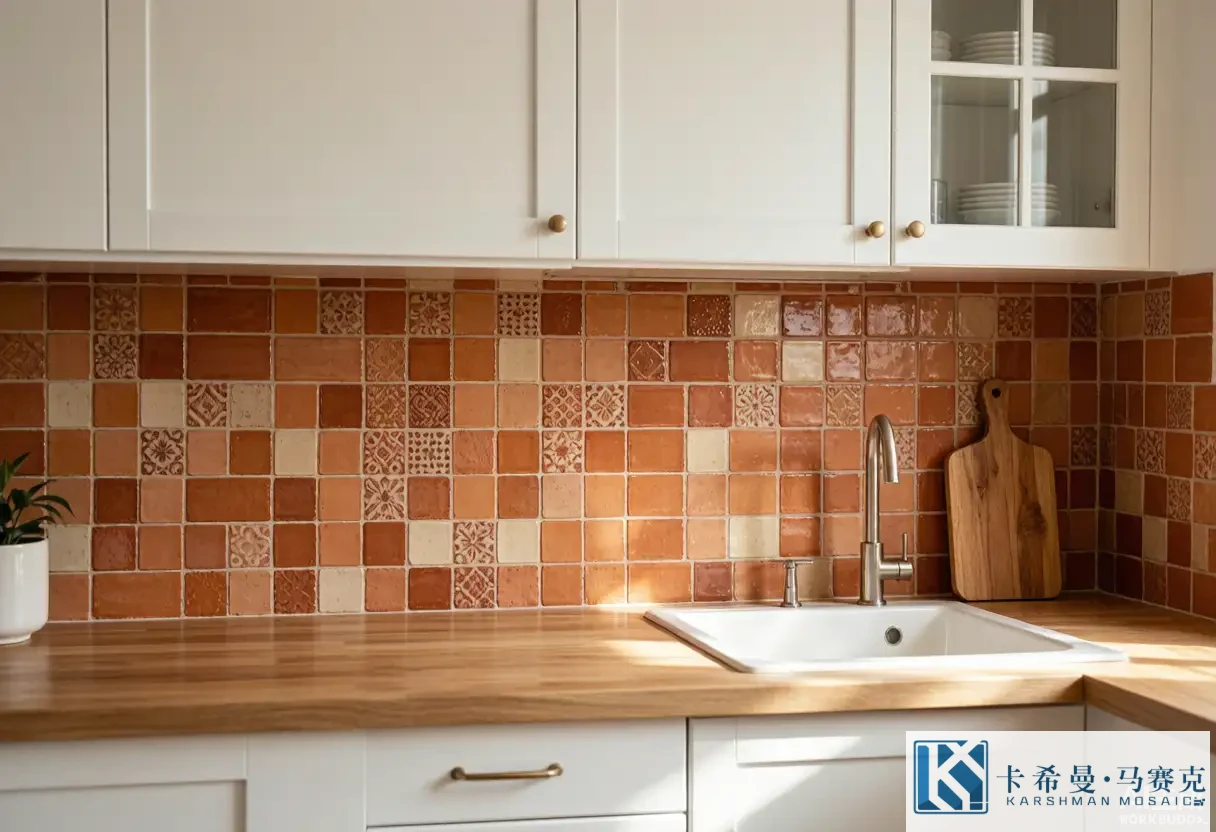
Kitchen backsplash
The backsplash is the common ceramic mosaic spot in a kitchen. It sits behind the cooktop and sink, where splashes happen, and a glazed face wipes clean with mild cleaner. A small format suits the area because it turns corners and meets outlets and shelves without large cuts. Neutrals keep the room calm; a band of color or a herringbone layout adds character. Because the area is small, a bold tone works here without overwhelming the whole kitchen.
Kitchen floors
On a kitchen floor, ceramic mosaic works where rated for the wear. Porcelain or unglazed types suit the traffic better than a soft wall tile, and a textured or matte face adds grip underfoot. The joints help with slip, but the face finish still matters where people stand and carry loads. For a busy household, choosing a dense, low-absorption tile keeps the floor sound through years of use and routine cleaning without early wear.
Bathroom shower walls
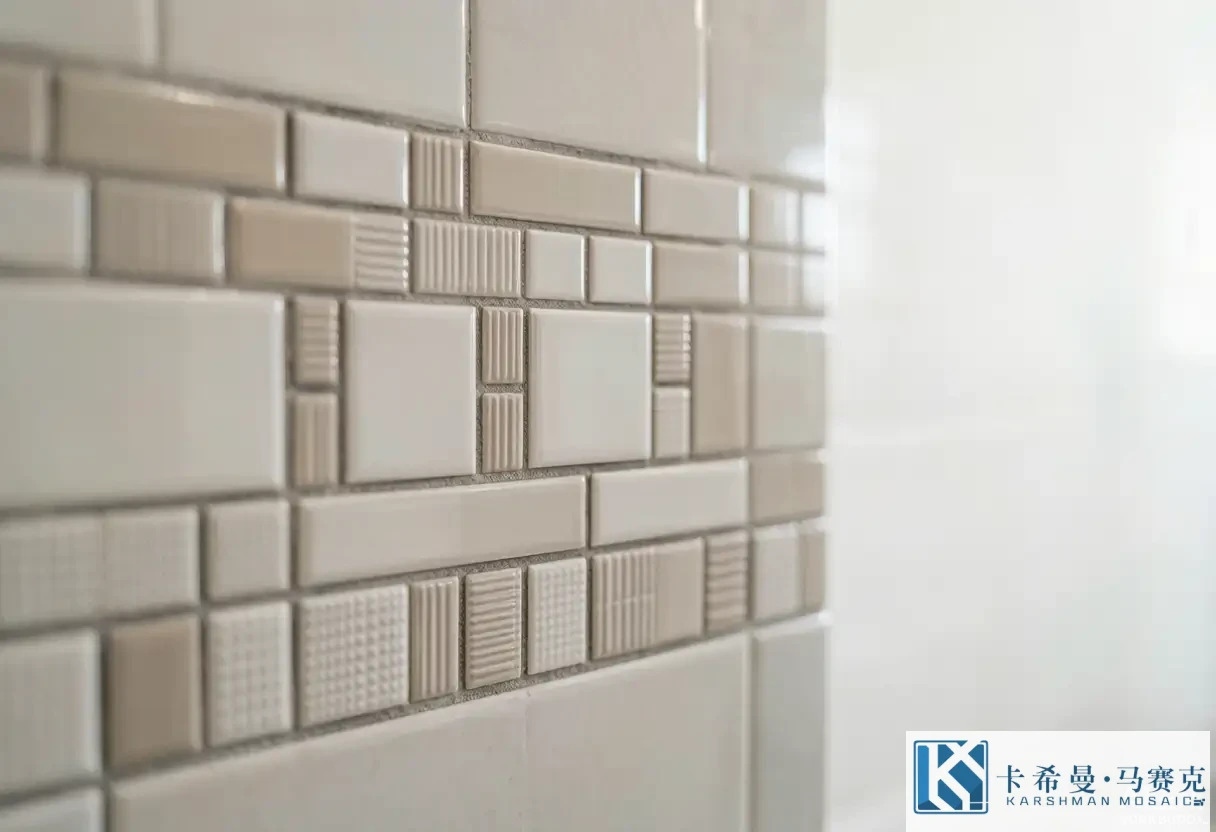
In a bath, shower walls are a strong use for ceramic mosaic. The small pieces follow a curved pan and a sloped ceiling, and a glazed face shrugs off soap and hard water when cleaned routinely. A light neutral keeps the stall bright; a feature wall in a deeper tone adds a focal point. Sealing the grout on the maker’s schedule keeps the wall fresh, and because the area is enclosed, a little routine care goes a long way.
Bathroom floors and wet rooms
Bathroom floors need grip, so slip rating belongs in the spec. Favor a matte or textured ceramic, and confirm the rating for a barefoot, wet floor. Wet rooms – where the whole floor drains – suit mosaic especially well because the small pieces can slope to the drain without large, awkward cuts. Matching the rating to the exact spot protects users and keeps the install within the maker’s guidance for a safe result.
Vanities and niches
Small zones like vanity splashbacks and shower niches are where ceramic mosaic earns its keep. A niche lined in mosaic becomes a tidy, wipeable shelf for bottles, and a vanity band adds a finished edge without a full wall of tile. These spots are low-risk places to use a stronger color or a patterned sheet, since they are small and easy to live with even if the tone is bold against a calmer field.
Color and finish by room
Color should follow the room. Kitchens lean on warm neutrals – cream, sand, terracotta – that pair with wood and stone, with a glossy finish for easy wipe. Baths lean on cool neutrals – white, grey, pale blue – with matte on floors for grip and gloss on walls for light. A useful habit is to let the working surfaces stay calm and express color only in a band or niche, so the room reads balanced rather than busy across the day.
Installation notes
Good performance starts with the setting. Use an adhesive rated for the substrate and the room, set the sheets with even pressure, and keep movement joints where the structure needs them. Grout should suit the joint width and the room, and it should be sealed on schedule. A tiler who has set ceramic mosaic before will handle the backing and the alignment; asking for that experience is a reasonable step that protects the finish once it is fixed to the wall.
Cleaning and care
Care is straightforward. Wipe splashes soon after they happen, use a non-abrasive cloth and a pH-neutral cleaner, and avoid harsh powders that could dull a glaze. Keep the grout sealed so it resists staining, and rinse soap haze from a shower after use. Because ceramic areas are usually small, this upkeep takes little time, which is part of why the finish stays presentable for years with normal routine.
Design ideas
Design options range from calm to bold. A single neutral field with a contrasting grout reads clean and timeless. A herringbone or brick layout on a backsplash adds movement without a second color. A shower niche in a deeper tone becomes a quiet feature. For a powder room, a full wall in a soft color turns a small space into a moment. The brief should set the level of detail before samples are ordered.
Specifying for the project
Pulling the steps together: name the zones, pick a type rated for each (glazed for walls, porcelain for floors), choose finish by grip and look, set color from the room outward, and approve a sample under your light. A short list like this keeps the kitchen and bath project on track and the result close to the approved sample. Small discipline at selection protects the finish once the tile is fixed in place.
Ceramic mosaic in a laundry or mudroom
Utility rooms are strong candidates for ceramic mosaic. A laundry floor sees water, detergent and foot traffic, and a matte porcelain mosaic gives grip and wipes clean. A mudroom benefits from a durable, low-absorption floor that handles wet boots and dirt, with a drain-friendly slope where the room is built for it. Because these spaces are practical rather than showy, a neutral tile with a contrasting grout keeps them tidy and hides daily soil better than a pale, plain surface would across a busy week.
Outdoor and patio use
On a patio, step or outdoor kitchen, ceramic mosaic works where rated for frost and slip. Porcelain ranges suit the weather and the wear, and a textured face adds grip in rain. The small format follows a curved edge or a step nosing that a large tile would fight, and the many joints help with drainage. Matching the rating to the local climate protects the surface through the seasons, and a proper movement joint keeps the field stable as temperatures swing.
Pattern ideas beyond the basics
Beyond a plain grid, ceramic mosaic supports several layouts. A brick bond shifts the joints for a calmer read; a herringbone adds movement on a backsplash; a diagonal set widens a small bath; a random mix of two close shades breaks the grid without a formal pattern. The pattern should follow the room’s scale – fine patterns suit small areas, broader ones suit large walls – so the design stays readable at the distance people actually view it from each day.
Grout color and its effect
Grout color changes the read of a tiled wall more than many expect. A grout close to the tile makes the surface look continuous and calm; a contrasting grout makes the grid pop and reads as graphic. In a kitchen, a mid-tone grout hides the tide of splashes better than a pure white; in a bath, a tone matched to the tile keeps the stall serene. Because grout sits between every piece, its color is part of the design, and approving a grout sample next to the tile before the order avoids a surprise once the room is finished.
Working with a tiler
For a kitchen or bath remodel, the tile choice is easier with the tiler in the loop early. Share the zones, the use and the look you want, then review samples under the room’s light before the order. A coordinated choice of tile, adhesive, grout and movement joints keeps the finish consistent and the schedule on track. Asking for a laid sample of a niche or a band shows how the pieces meet, which a single loose tile cannot reveal until it is too late to change cheaply.
Budgeting the job
Budget follows the zone. A full wall in handmade or textured ceramic costs more than a simple glazed field with a single accent, so set the spend where the eye lands first and keep the rest calm. Order with a waste allowance and from one batch so shade stays matched, and confirm lead time before the schedule is fixed. A clear quantity also helps a supplier quote a realistic price, and it avoids a shortfall that forces a second, mismatched order partway through the project.
Ceramic mosaic for a fireplace or feature alcove
Beyond wet rooms, ceramic mosaic works around a fireplace surround or a feature alcove, where the small pieces follow a curved arch and add a crafted detail without a large tile. A matte or textured finish reads well under firelight and avoids the glare a glossy surface would throw. Keep the tile clear of the direct heat source and follow the maker’s note on temperature, and the result is a durable, easy-care feature that pairs with both traditional and modern schemes in a living space.
Care products to keep on hand
A small kit keeps ceramic mosaic in good shape. A pH-neutral cleaner, a non-abrasive cloth and a soft brush for the grout lines cover most needs. Avoid acid cleaners on grout and harsh powders on a glaze, since both can dull the surface over time. Sealing the grout on the maker’s schedule and wiping splashes soon after they happen prevents most staining before it sets. Because the areas are small, this routine takes minutes, which is part of why the finish stays presentable through years of normal household use.
Ceramic mosaic suits kitchens and bathrooms through water resistance, easy care and a look that follows the shape of the room. If you want to compare ranges for these spaces, contact our team for sample boards and current lead times.