
Mosaic tile is not only for buildings. The same sheets that clad a wall also dress furniture and decor, turning a plain tabletop, mirror or planter into a custom piece. This is a practical way to use leftover material from a larger job, or to add a handmade accent without retiling a room. This guide covers mosaic applications on objects and furniture.
Tabletops and side tables
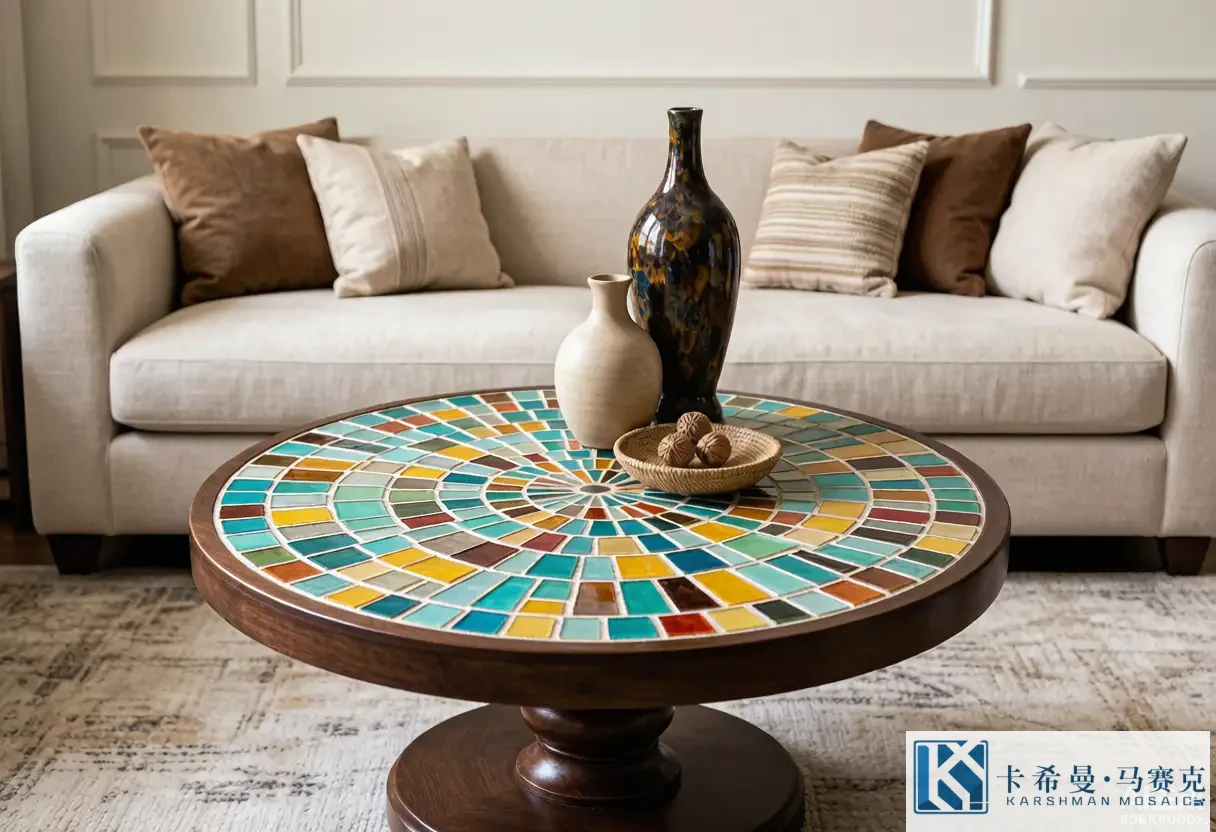
A coffee or side table is a strong candidate because the top is flat, visible and touched often. A mosaic top in glass or porcelain gives a durable, wipe-clean surface that reads as designed rather than decorated. Edge the tile so the corners are safe and the sheet sits flush, and seal the grout so spills wipe away. A neutral room lets a colorful tabletop become the focal point.
Mirrors and frames
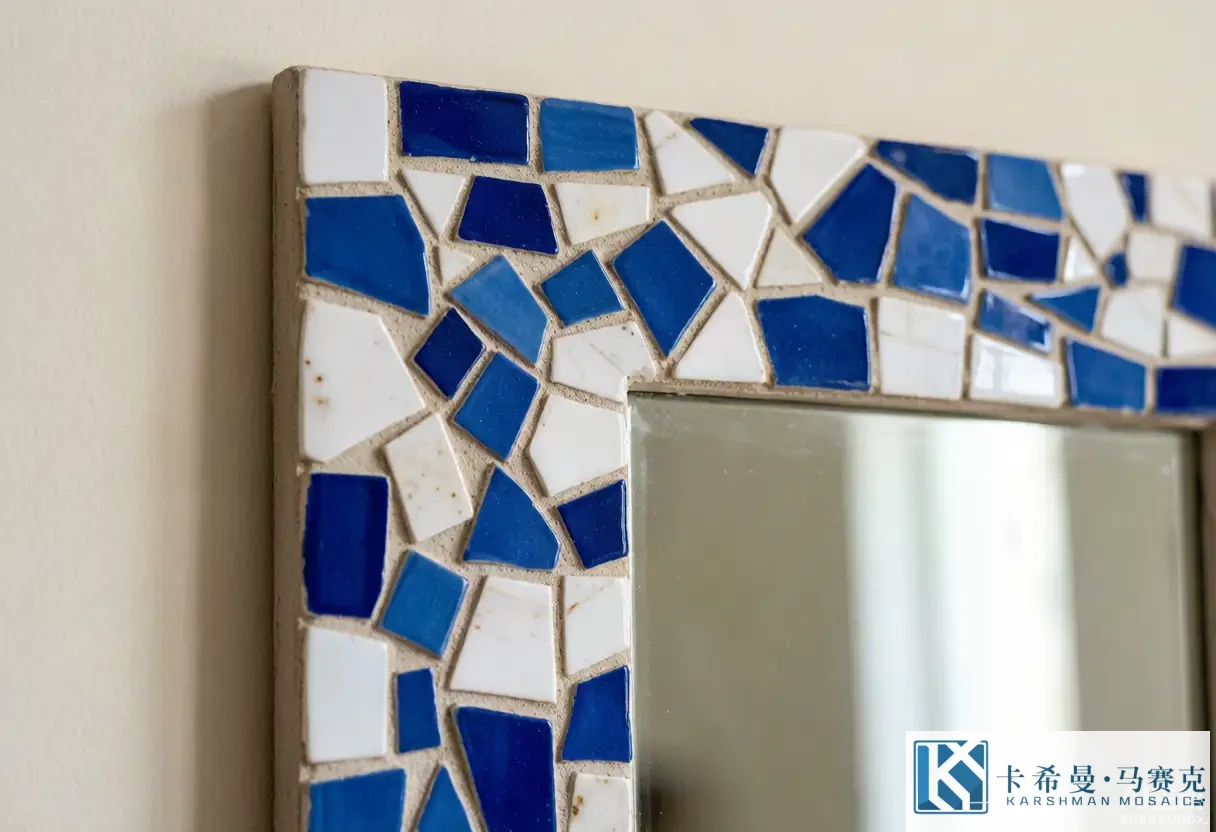
A mirror frame is one of the simplest objects to mosaic, and it suits a bathroom, hallway or bedroom. The small tiles follow the curve of a round or arched frame, and a contrasting grout can emphasize the shape. Because the surface stays dry, you can use a glossy tile for sparkle. A mosaic frame also ties a room to a tiled wall if you match the color of the existing work.
Planters and cachepots
Cladding a planter or cachepot in mosaic protects the surface and adds a crafted detail to a shelf or patio. Use a tile rated for the location — interior for a shelf pot, frost-resistant for an outdoor one — and a waterproof backing so moisture from the plant does not lift the sheet. A planter in two close tones reads calm, while a mixed palette gives a bolder, handmade feel.
Headboards and panels
A bedroom headboard or a freestanding decorative panel lets you bring mosaic into a room without a permanent wall job. A panel can hang like art and move with you, which suits renters or anyone who changes a scheme often. Keep the palette close to the room’s soft furnishings so the piece feels placed rather than dropped in, and frame the edge for a finished look.
Choosing tile for objects
For furniture and decor, the tile’s thickness matters: thin mosaic suits a frame, while a tabletop benefits from a denser, harder-wearing product. Glass reads bright and decorative; porcelain is tougher for a surface people set things on. Leftover sheets from a wall job are a practical source, provided the color still matches the look you want on the object.
Sealing and care
Objects see hands, cups and plant water, so seal the grout on anything that will be wiped or watered. A sealed surface shrugs off a coffee ring or a splash, and a quick wipe with a soft cloth keeps the tile clear. Avoid soaking a clad planter from the outside; water should stay in the inner pot so the backing stays sound.
Starting a small object project
A frame or a small tray is a good first piece because the area is limited and mistakes are cheap to fix. Lay the sheet dry first to confirm the pattern, then set it, grout it and seal it once the adhesive cures. One finished object often leads to another, and a set of matching pieces can tie a room together without a single tiled wall.
Matching objects to a room scheme
A mosaic object reads well when its color connects to the room. Pull one tone from a rug, a cushion or an existing tiled wall and repeat it on the object, so the piece feels placed rather than added. A set of two or three matching items — a frame, a tray and a planter — can tie a shelf or console together without a tiled wall anywhere in the room. Keep the palette tight so the group reads as a collection.
Safety and edges on furniture
On tables and frames, the edge matters for daily use. A tabletop should sit flush with its trim so there is no lip to catch, and a rounded edge is kinder to hands and sleeves. Seal the grout so a knocked glass does not stain the joint, and avoid placing a clad piece where it takes direct, prolonged sun if the tile is prone to fading. With those small checks, a mosaic object stays both pretty and practical.
Mosaic tile beyond walls extends the material into pieces you can move and enjoy up close. If you want sheets for a furniture or decor project, contact our team for sample sizes and grout suited to objects.